|
||||||||||||||
| Lay Down Your Arms
The Lay Down your Arms Association was incorporated and registered in Gothenburg, Sweden in 2014. A main project to start with is The Nobel Peace Prize Watch. Purpose – Lay Down Your Arms Association Peace is a common wish for all humanity, it must become our common demand. Peace is a binding legal obligation for all nations, it must become their common practice. Experience tells us that if we prepare for war we get war. To achieve peace we must prepare for peace. Yet all nations continue to spend astronomic sums and incur extreme risks on a flawed concept of peace by military means. What the world most urgently needs is a common, co-operative security system to replace weapons and endless preparations for violence and war. For centuries peace activists have claimed that peace through disarmament is necessary and, indeed, the only road to real security. Alfred Nobel decided to promote and support this idea when, in his will of 1895, he included “the prize for the champions of peace” and entrusted the Norwegian Parliament with a key role in the promotion and realization of his purpose. The Norwegians proudly undertook the assignment, further described in the will by language on “creating the brotherhood of nations, ”disarmament,” and “peace congresses.” Nobel´s plan for preventing future wars thus was that nations must cooperate on disarmament and commit to solving all differences through negotiation or compulsory adjudication, a culture of peace that would free the world from its current addiction to violence and war. With today´s military technologies it is a matter of imperative urgency for the world to seriously consider committing to the idea of Alfred Nobel and Bertha von Suttner. Suttner was the leading champion of peace at the time and it was her entreaties that led Nobel to establish the prize in support of the peace ideas that need a fresh restart. Taking its name from Suttner´s bestselling novel, “Lay down your arms – Die Waffen Nieder” a first goal for the network is to reclaim the Nobel prize for the “champions of peace” and the specific road to peace that Nobel had in mind and intended to support. Actions, Activities - Nobel Peace Prize Watch A. What is our special role? All peace movement efforts for reduction or abolition of armaments depend on arguments in a democratic mobilization of public opinion. So also does The Nobel Peace Prize Watch. Our special advantage is that we not only argue that humanity must, for the sake of the survival of life on the planet, find a way to eliminate weapons, warriors and wars. In addition we make a legal argument – Nobel wanted to support a specific approach to peace – certain people have a legal entitlement by his will. Today the prize is in the hands of its political opponents. We wish to use legal means to get back the money that once was given to the cause of peace by demilitarization of international relations. B. What are our plans? The association shall seek to induce political decision-makers to address the imperative urgency of a new international system. To this end we will disseminate information and seek to increase public awareness of how all the nations of the world continue to be locked in power games and a never ending race for superiority in military forces and technology. This approach consumes astronomic sums of money, wastes resources that could serve human needs, and the idea that it gives security is an illusion. Modern weapons represent an imminent threat to the survival of life on the planet. We live in a constant emergency. Board The Association was incorporated and registered in Gothenburg, Sweden in 2014. Founding members and board in intitial phase are Tomas Magnusson (Sweden) and Fredrik S. Heffermehl (Norway). Tomas Magnusson, Gothenburg, Sweden,
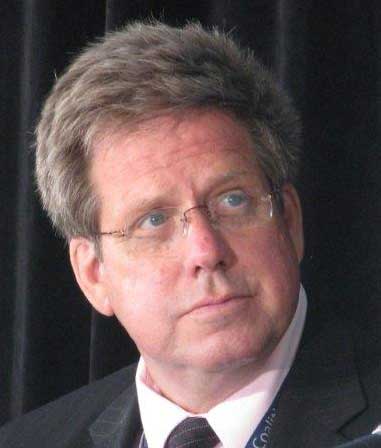
Richard Falk, USA, Professor (em.) of International law and organization, Princeton University Bruce Kent, United Kingdom, President MAW, Movement for Abolition of War, ex President IPB Dennis Kucinich, USA, Member of Congress, campaigns for US President Mairead Maguire, Northern Ireland, Nobel laureate (1976) Norman Solomon, USA, Journalist, anti-war activist David Swanson, USA, Director, World Beyond War
Scandinavian Advisory Board Erik Dammann, Norway, founder “Future in our hands,” Oslo Thomas Hylland Eriksen, Norway, professor, University of Oslo Erni Friholt, Sweden, Peace movement of Orust Ola Friholt, Sweden, Peace movement of Orust Lars-Gunnar Liljestrand, Sweden, Chair of the Association of FiB lawyers Torild Skard, Norway, Ex President of Parliament, Second chamber (Lagtinget) Sören Sommelius, Sweden, author and culture journalist Maj-Britt Theorin, Sweden, ex President, International Peace Bureau Gunnar Westberg, Sweden, Professor, ex Co-President IPPNW (Nobel peace prize 1985) Jan Öberg, TFF, Sweden, Transnational Foundation for Peace and Future Research. |
| History – Nobel Peace Prize Watch
The association Lay Down Your Arms is founded to continue the efforts of Norwegian lawyer and author Fredrik S. Heffermehl, who, in 2007 suddenly discovered that Nobel and his purpose had landed in oblivion. The Norwegian awarders of the Nobel Peace Prize had disconnected entirely from the original purpose described in the will of Nobel. In August 2007 Heffermehl published an article publicly requesting the Norwegian Nobel Committee to check its mandate and find out and respect what Nobel actually wanted. Instead of complying the Committee decided to keep awarding the prize for its own broad, all-encompassing, concept of ”peace” and ignore the rights of the ”champions of peace” that Nobel had in mind. The history of the will strongly points those who seek to understand Nobel´s purpose to Bertha von Suttner, the leading peace protagonist of the period. Responding to her entreaties Nobel had promised to ”do something great for the (her) cause.” Three expressions in the will (about creating the brotherhood of nations, disarmament, peace congresses) strongly confirm that it was the Suttner peace ideas and her approach to peace he wished to support with the prize. A book in 1932, by Ragnvald Moe, the Nobel Committee Secretary through 27 years), confirmed that the prize was initiated to support the peace movement ideas of the 1890s about an alternative international peace system to replace militarism, arms races and wars. But with the end of WWII came a reorientation of the political attitudes in Norway that in 1895 had made the Stortinget (Parliament) a natural choice for Nobel on how to select a committee to whom he could entrust his peace award. Already in 1962 Ursula Jorfald published a book on Suttner and the falsification of history trying to conceal her importance as the key to understanding what Nobel had actually intended. A great many historians have written about Suttner and her decisive influence to making Nobel include a peace prize in his will of 1895. The books of Fredrik S. Heffermehl were the first to analyze and point out the legal consequences of this. “The content of a will is what the testator intended, irrespective of the words used” confirmed a prominent Swedish lawyer, Torgny Håstad, Chair of the High Council of Trustees of the Nobel Foundation (Nobelfullmäktige), in a scientific article discussing the work of Heffermehl. Spokespersons for the Norwegian committee and the Nobel Foundation have since 2007 systematically shown reluctance to discuss the points raised both about Alfred Nobel´s own intention and the decisive legal importance of what Nobel really wanted. In 2007 the awarders had forgotten Nobel entirely, the rediscovery led the awarders to offer frivolous claims to adhere to the will, but in actual practice – in the course of seven years – no visible interest in understanding Nobel and his actual intention. Following unsuccessful demands to have the awarders comply with the will, it became necessary to seek assistance from public authorities tasked with overseeing that legacies and entrusted funds are managed in proper accordance with the law. In Sweden the official body mandated with overseeing that the boards of foundation operate in conformity with their statutory obligations is the Länsstyrelsen, A case was raised by Heffermehl who submitted his book with a complaint in October 2008. In March 2012 the Foundations Authority demanded that the awards must comply with the “description of purpose in the testament” – and relying upon the Nobel Foundation having offered satisfactory promises – decided to dismiss the case without further investigation. Later, however, the Nobel Foundation – after having the investigation dropped following its promise to check that all prizes comply with the will and further to exercise full and final control over its Norwegian sub-committee – changed its mind and applied to another Swedish authority, the Kammarkollegiet, to be exempted from its statutory obligation to control the Norwegian committee. The application was denied in a decision of March 31, 2014. An appeal lodged against this decision was withdrawn after two months. The result means that the Board of the Swedish Nobel Foundation is obliged to check the selections of the Norwegian committee and refuse to pay a prize to a winner who is outside the scope of purpose that Nobel had in mind. |
Books: 115 years later Nobel’s approach to peace and security is a more urgent necessity than ever before. The error of the Nobel committee is not in adapting to a modern age, but in failing to understand the point of departure for this exercise. What they should have developed was Nobel’s idea of peace, not their own. (Fredrik S. Heffermehl in The Nobel Peace Prize, p. 39)
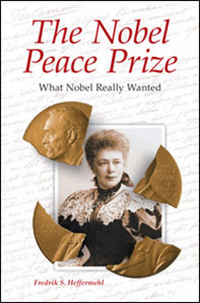
New book: The Nobel Peace Prize (Praeger, 2010)
What happened to the Nobel Peace Prize? The Nobel Peace Prize. What Nobel really wanted (Praeger, 2010), offers undisputable evidence that Nobel intended to support the "Champions of peace", those struggling to replace militarism with an international order based on law and abolition of national military forces; the power of the law must replace the law of power. Since 1948 the parties in the Norwegian parliament have delegated the appointment of the Nobel committee to the major parties who misuse the attractive seats as a reward to their party veterans, people lacking not only insight but also loyalty to the peace ideas that Nobel wished to support. In fact the committee members are opposed to the idea of the prize! People who believe in security by military means have taken charge of a prize meant to support a demilitarized world order.
Nobel entrusted the bestowal of one of his five prizes to a five-member committee to be appointed by Norway´s parliament. The Nobel committees, misunderstanding their task, have used the prizes to serve their own ideas of "peace," instead of honoring "the champions of peace", the expression Nobel actually used to describe the recipients. Interpretation—the determining factors
In his will Alfred Nobel entrusted to the Norwegian parliament to award his prize for "the champions of peace" (by which he meant the peace movement). The concept is elaborated in Chapters 8 and 14: Nobel clearly specified the recipients Read more here .....
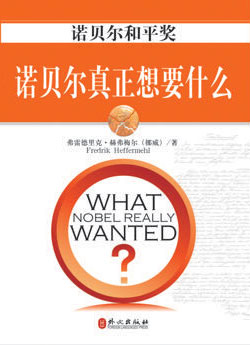
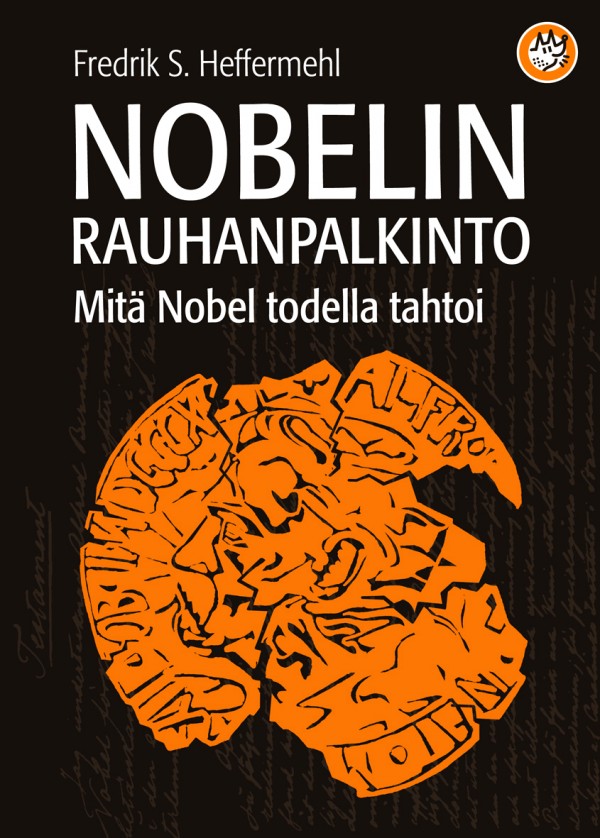
Heffermehl - Nobel book in 6 languages:
用中文 1月9日,2011年,外文出版社,领先的中国出版社推出成中文(简体)美国原来的译本。该书的推出一个完全重写的序言和一个特殊的,补充尾声,参加了在北京(内部)书展举行。
Three new translations will be published in the autumn of 2011: IN FINNISH - IN SUOMEN IN RUSSIAN - ПЕРЕВОД НА РУССКОМ IN SWEDISH - PÅ SVENSKA
Articles: English German: Reinhard Wolff: Ist der Friedensnobelpreis illegal? Artikel http://www.taz.de/Rechtsstreit-um-Antikriegs-Auszeichnung/!147294/ Norwegian
Appeals: A group of 16 prominent Scandinavians called for Parliament to reform its selection process and respect its moral From David Swanson, Director of World Beyond War to the Parliament of Norway (in English). |
The Nobel Peace Prize ABC A: Nobel dedicated his prize to “the champions of peace” By his will of 1895 Alfred Nobel, the wealthy Swedish inventor and innovator, established five prizes for the persons who “have conferred the greatest benefit on humanity.” Nobel dedicated one of his prizes to “the champions of peace.” B: A prize to support a specific idea, the abolition of militarism In the will Alfred Nobel used three concepts to clarify the specific approach and people whose work he wished to support, those committed to breaking the military tradition and building an international community of disarmed nations. The three expressions he used in his will were clear references to the ideas of Bertha von Suttner, the leading champion of peace of the period – the vision of a Völkerverbrüderung (fraternity of nations) promoted by the peace congresses. C: The purpose of a will is legally binding forever Nobel entrusted the Norwegian Parliament, then a supporter of Suttner and her ideas, with selecting the five-member Nobel Committee. Over time the ideas of peace in Norway have changed, but the will of Nobel remains the same. Ignoring the law and vital security interests of the world population, the awarders have disconnected from Nobel and transformed his prize for global disarmament into a general prize for “peace.” The legally binding obligation of the awarders is to make the prize once again the challenge to militarism that Nobel intended. If they don´t the task must be placed in the hands of others. *) This ABC is the sum of numerous works on the history of Alfred Nobel and his “prize for the champions of peace” as presented and analyzed by Fredrik S. Heffermehl in his books, a.o. The Nobel Peace Prize. What Nobel Really Wanted (Praeger, 2010, translated into Chinese, Finnish, Spanish, and Swedish). The peace prize awarders have not attempted to refute the conclusions or the facts that underpin them – they simply keep silent and ignore the truth.
Why Norway? When Alfred Nobel wrote his will in 1895 “Stortinget” (the Parliament of Norway) was a leading promoter of the new peace ideas. When Alfred Nobel entrusted to Parliament to appoint a committee of five to award the prize that was soon popularly known as ”the Nobel Peace Prize.” The will presupposes Parliament to elect a committee qualified and devoted to serving Nobel´s peace ideas. Fifty years, and two world wars, later, in 1945, political ideas had changed in Norway. The specific intention of Nobel was forgotten and ceased to be a consideration after the Stortinget, in 1948, changed the rules and allocated the seats to the leading political parties, based on latest national elections. Since then the committee seats have been taken up by old party hacks far from the Nobel approach to peace. Instead of a committee of friends of peace and disarmament the world has got a committee of friends of militarism and forces. The law, however, is clear: Norwegian parliamentarians are obligated to be loyal to Nobel, not pursue their own purposes. |
| Media Releases
Peace Prize Watch reveals the true Nobel candidates for 2015 Nobel Peace Prize Watch, March 2015 Media release PEACE PRIZE TRUSTEES MUST PROMISE TO COMPLY WITH NOBEL´S WILL SECRECY BROKEN ON NOBEL PEACE PRIZE CANDIDATES FOR 2015 -- Shall we accept indefinitely to let our world be governed by military logic or must we instead seek security through the global co-operation to which Alfred Nobel dedicated his peace prize? The choice ought to be easy for everyone involved in work for peace, justice, disarmament, democracy, human rights, environment, relief work, health, poverty alleviation etc., says Tomas Magnusson, a co-founder of the Lay Down Your Arms Association, just think of the astronomic expenditure for security and how extremely unsafe the military actually is. Magnusson adds that Alfred Nobel addressed this basic choice for humanity clearly with his prize “for the champions of peace.” Unfortunately the Norwegian awarders have disconnected the peace prize entirely from Nobel and the visionary peace idea that he intended to support. That is why our association has initiated the Nobel Peace Prize Watch, and, as its first project, written a letter to the Nobel peace prize trustees requesting that the peace prize from 2015 and onward will keep within the mandate from Nobel. The letter invokes the law and decisions by two Swedish public agencies, and asks for a confirmation by the end of March. The Nobel watchdog has also broken the strict secrecy around the selection process and published all the valid nominations they were able to find. The Nobel committee works under a secrecy rule that keeps all information about nominations embargoed for fifty years. -- We feel that the Nobel Committee has misused this rule to conceal the true purpose of the prize and the type of candidates that Nobel intended to win, says Fredrik S. Heffermehl, the other co-founder who has published several studies on the purpose of the Peace Prize and its utility in today´s world. – We cannot wait for a change of the rules and have decided to present, at our website nobelwill.org, all the candidates qualified to win the 2015 Nobel that we have been able to find, with the full nomination letters. The list contains 25 names that, if the Nobel committee intends to respect Nobel, ought to be their first short list of for 2015. We now hope that as many as possible will support our work and use the information at our website nobelwill.org to publish articles on the prize and the legitimate winners. We further hope that many will subscribe to our appeal, and strengthen Nobel´s voice in today´s world by financial support, says Heffermehl. Both the Nobel Foundation (Stockholm), and the Norwegian Nobel Committee (Oslo) have promised replies to the request from Nobel Peace Prize Watch.
Informative article - from Transnational Foundation The Nobel Peace Prize Watch
(Model:) Article presenting a nomination for the 2015 Nobel (Abolition 2000)
New portal, Dec. 8, 2014: -- Nobel mente å støtte Suttners ide om at et dyptgående samarbeid mellom nasjonene er det eneste som kunne gjøre slutt på våpenkappløp og militære maktspill og gi varig sikkerhet. Denne ideen er minst like aktuell i dag, hevder Tomas Magnusson, svensk fredsaktivist og mangeårig president i IPB, det internasjonale fredsbyrå i Geneve. På vegne av initiativtagerne sier han at det må være klart at forsvarsvenner ikke er de rette til å forvalte en pris som var tiltenkt fredsvennene og deres nedrustnigsarbeid. Magnusson viser til flere fremstøt for å informere Stortinget om de kravene som etter testamentet må gjelde for å bli oppnevnt. En rekke kjente personligheter i bl.a. Skandinavia og USA er medlem av organisasjonens Advisory Board. (here) Gothenburg, Dec. 8, 2014 For ytterligere kommentar:
Media release, dec. 10, 2014: |
OVERVIEW LEGAL CHALLENGES - Letters Feb 2015 require Nobel awarders to change policy Feb. 20, 2015, to the Norwegian Parliament, the Nobel Committee and the Nobel Foundation insisting that they comply with the law and the orders from public authorities. See the letter here. Feb. 27, 2015, to the Norwegian Nobel Committee, email presenting the of qualified candidates for 2015. See the letter here.
- Swedish authorities demand change Summary: The Norwegian Nobel Committee often has claimed that the many challenges to their stewardship of the Nobel Peace Prize have not led to any results. The opposite is true, complaints have led to authorities expecting/ordering significant reform. In 2012 the Swedish Foundations Authority turned down a claim from the Norwegian Nobel Committee to be independent and “not to take instructions from anyone” in its selections of winners. The Norwegian committee then moved for an exemption from the Swedish Foundations Act, which was also turned down. This means that the ultimate and final responsibility for peace prizes being legal has moved from Oslo to Stockholm, and now rests with the members of the Board of the Nobel Foundation. The Committee repeatedly claims to honor the purpose described in the will and rejects criticism for ignoring the intention of the testator – but has for 7 years been unable to refute any of the evidence showing that this is untrue. The peace prize awarders adamantly and consistently fail to show any interest in information on Nobel and his actual intention. They seem determined to keep ignoring the fact that the Peace Prize was established by the Nobel testament of 1895; that a will is a legal instrument; and that the binding obligation of the stewards is to find out which peace efforts Nobel wished to favor. It is, of course, Nobel´s own intention that counts, not what his trustees prefer to read into the text of the will.
The following is an account of some attempts to persuade the authorities to intervene. 1. Norway (The Norwegian Lottery and Foundations) Authority) – upon request Oct. 7, 2008, (in Norwegian / English) for injunctive action - deferred to the Swedish Foundation Authority. Reason: The Nobel Foundation is Swedish and the responsibility lies with the Swedish authorities. The Swedish Authority immediately took action of its own initiative based on a received copy of this letter (see below, 2a). 2. The Swedish Foundation Authority a. 2008, Acting on its own, on the basis of a received copy of letter from Fredrik S. Heffermehl to the Norwegian authority, the Swedish Foundations Authority immediately announced its decision to investigate, see letter from Heffermehl Oct. 31, 2008 (in Norwegian). Suddenly it dismissed the case from investigation on December 23, 2008. Reason: The Authority could not find that there were any violations to take action agains b) 2010 - 2012: Following several new appeals from Heffermehl, a.o on Nov. 3, 2010 (in English) with attachment (in English), the Authority at last decided to open an investigation, and, in a letter of Jan. 30, 2012 (in English), requested a response from the Nobel Foundation. The Nobel Foundation submitted its statement on March 8, 2012, (in Swedish/Norwegian). In its March 21, 2012, decision the Foundations Authority (in Swedish) (in English) chose to dismiss case without further investigation. Reason: The Authority relied upon the Nobel Foundation having confirmed to know its responsibilities under the Foundations Act, and its will to abide. The Foundation confirmed having understood its superior and ultimate responsibility for the awards, including their legality and compliance with the specification of purpose. The Authority´s decision contained guidance on how the Nobel Foundation should improve its compliance with the will, by 1) analyzing the purpose described in the will, 2) instructing the awarding committees, 3) introducing procedures to ensure compliance with the purpose. The Authority also noted that the superior Nobel Foundation Board (Stockholm) had understood that it could not pay a prize over to the winner if the subsidiary Nobel Committee (Oslo) should select a winner outside the purpose. c. May 2014: Group of 16 requests concrete injunctions New complaint , 2014, co-signed by 16 prominent Scandinavians, and supplemented with May 26, 2014 (in Swedish), letter from Swedish Attorney Kenneth Lewis. September 20, 2014, noted the Nobel Foundation´s lack of loyal follow-up. The Nobel Foundation in practice had shown no intention to implement and take action as promised against prizes outside the scope of the purpose, therefore time was over for advice and polite requests. Now it was necessary with concrete orders from the Authority to prevent continued violations. 3. Nobel Foundation sought an exception from the law – application rejected [2013) The Nobel Foundation (Stockholm) applied to the Chamber College (Kammarkollegiet) to be exempt from its chief task, which is to control that Nobel´s purpose with the prizes is being fulfilled. The Foundations Authority (LS) issued a statement June 14, 2013 (in Swedish), strongly advising against exemption. Protest by Fredrik S. Heffermehl June 24, 2013 (in English). The International Peace Bureau protested September 20, 2013 (in Swedish). The Kammarkollegiet decided, March 31, 2014 (in Swedish), to refuse the Nobel Foundation application. The Nobel Foundation first appealed the decision to the Swedish government, but then, after two months, withdrew the appeal, thereby accepting its superior authority and final say in the selection of peace prize laureates. 4. ØKOKRIM – police investigation of Nobel Committee April 2014: Request for criminal investigation and prosecution by Fredrik S. Heffermehl, with 16 co-signers, on April 8, 2014) in (Norwegian / English) lodged with ØKOKRIM (Norway´s National prosecutor for economic crime) which decided that the matter was peripheral to their special field of authority and priorities. On July 28, 2014, submitted to the Oslo Police. Their dismissal has been appealed to the National Prosecutor (Riksadvokaten).
|
|
||||||||||||||||||||||||||||||||||||||||||||||||||||||||||||||||||||||||||||||||||||||||||||||||||||||||||||||||||||||||||||||||
All the nominations below, for 2017, were repeated and resubmitted for 2018 (but not all by the same nominators).
Nobel Peace Prize – shortlist 2017 We could no longer allow the selection process to remain secret. The Norwegian selection committee keeps a lid on everything for 50 years. Its best kept secret is the specific peace vision Nobel wished to support. An open selection process, with free and open discussion will be in line with modern and democratic ideas – and apparently is indispensible to ensure compliance with Nobel´s actual intention. Therefore NPPW decided to publish the following LIST OF VALID NOBEL PEACE PRIZE NOMINATIONS 2017: The following list contains only proper nominations The Nobel Peace Prize Watch list contains only nominations we have seen and been permitted to publish. This is the only published screening of all known candidates who serve a broad reading of the actual will of Alfred Nobel. The address for the full list is: http://www.nobelwill.org/index.html?tab=8 The Nobel Peace Prize Watch guidelines for screening nominations TOTAL: 32 nominations *) These nominations should be «rescued» by the committee members using their right to nominate them in the first meeting of the committee after the Jan. 31 deadline. The rule makes it easy for committee members to prevent that good nominations fail because the new, one day shorter, deadline, is not well known. Nominated by Mairead Maguire, Nobel Peace Laureate 1976: Medea Benjamin, USA
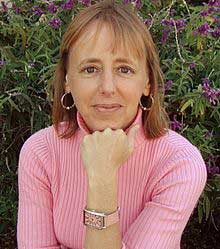
"Medea is the co-founder of the women-led peace group CODEPINK and the co-founder of the human rights group Global Exchange. While her anti-war work dates back to her high school years during the Vietnam War in the l960s and continued in Africa and Central America in the l970s and l980s her most important recent work has been in response to the 2001 9/11 attacks in the United States. … (she) took 9/11 family members to Afghanistan to meet with the innocent victims of US bombing, then brought the 9/11 families to Washington over and over again to lobby for a compensation fund for the Afghan victims, something they achieved in 2005. To stop the invasion of Iraq, cofounded, the women’s peace group CODEPINK … also a founder of the broad US-based coalition of l,500 groups called United for Peace and Justice that co-ordinated anti-war activities throughout the United States. Globally, she was one of the initiators of the 2002 World Social Forum call for a global day of action against the invasion of Iraq on February 15, 2003. …. set up the Occupation Watch Centre to chronicle the activities of US/Coalition forces in Iraq. This Centre documented and spoke out against the torture and abuse in the Abu Graib prison long before the international media publicized abuses. … When US warfare in the Middle East turned from deployment of soldiers to the use of killer drones, Medea was on the forefront of the anti-drone movement. She wrote the book ‘Drone Warfare: Killing by Remote Control’ in 2013 and travelled to 200 US cities educating and mobilizing the public. … Her direct questioning of President Obama about drone victims during his 2013 foreign policy address was publicized throughout the world. It helped shine a light on the innocent people killed by US drone strikes and contribute to imposing greater government controls over their use. Medea’s most recent work has focused on the negative impact of the Western nations’ alliance with the regime in Saudi Arabia, particularly the enormous weapons sales to that nation. Her recent book Kingdom of the Unjust: Behind the U.S. Saudi connection, has helped galvanize a new movement opposing US weapons sales to the regime, especially in the light of the devastating Saudi bombing campaign in Yemen." Read the full nomination here. |
|||||||||||||||||||
Nominated by prof. Terje Einarsen, Uni of Bergen and prof. Aslak Syse, Uni of Oslo, with secretarial assistance from the Norwegian Peace Council:
"Arundhati Roy is an Indian author and activist, and one of the most inspiring and powerful critics in our time of modern military power, nuclear weapons and neo-imperialism. Roy's life and work have a clear international dimension, fighting against global injustice with the destructive tug of war over power and influence at its center. Her strong warning against nuclear weapons in the text "The End of Imagination" indicates just how self-destructive and irrational man has become in the chase for control and power. She writes: "The nuclear bomb is the most anti-democratic, anti-national, anti-human, evil thing that man has ever made." In "War is Peace", she writes about the contradictory idea that peace can be achieved through military means; War is not peace - peace is peace. …. " The three… stood up to defend democracy, peace, and justice against the threats that the military always entails, even in cases where the intention may be good. This is a very important focus in our time, where the future will be characterized by major global challenges requiring a massive common preference of peaceful means. [A Nobel] to Snowden, Bolkovac and Roy will be a prize in accordance with Alfred Nobel's will, prescribing that the prize shall be awarded to champions of peace who promote global cooperation (the fraternity of nations) on a world order that seeks peace by peaceful means. Snowden, Bolkovac and Roy come from different backgrounds and the peace work they engage in takes different forms. Together they show the need for a far more demilitarized world order building on morality, solidarity, courage and justice." Full nomination here. Earlier nomination text, in Norwegian, in English translation, Bolkovac was nominated by Prof. Syse for 2015, see here, Snowden by Prof. Einarsen, see here. |
|||||||||||||||||||
Nominated by parliamentary group for the Pirate Party in Iceland: Ásta Guðrún Helgadóttir, Birgitta Jónsdóttir, Björn Leví Gunnarsson, Einar Brynjólfsson, Gunnar Ingiberg Guðmundsson, Halldóra Mogensen, Jón Þór Ólafsson, Smári McCarthy, Viktor Orri Valgarðsson, Þórhildur Sunna Ævarsdóttir
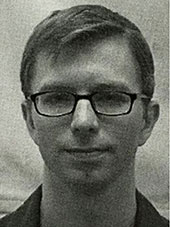
"Chelsea Manning ... The leaked documents pointed to a long history of corruption, serious war crimes, and a lack of respect for the sovereignty of other democratic nations by the United States government in international dealings. …. The revelations she helped disclose have fueled democratic uprisings around the world, including a democratic revolution in Tunisia. According to journalistic, academic, and intellectual scrutiny her actions helped motivate the democratic Arab Spring movements, shed light on secret corporate influence on foreign and domestic policies of European nations, and, also contributed to the Obama Administration’s agreement to withdraw all U.S. troops from occupied Iraq. ….The profound information that was revealed by this courageous whistleblower helped to foster public dialogue on the legitimacy, suitability, and relevancy of the military interventions carried out by US troops both in Iraq and Afghanistan. [and] led directly to calls demanding the full withdrawal of the military forces from these countries, as well as investigating committees on the treatment of detainees in the Guantanamo Bay detention camp." Note from NPPW to the Nobel Committee: The nomination was sent to the Committee the day after the new time limit (Monday 31. Jan at 12 p.m.), but within time under the time limit that has applied earlier. As argued by the Pirate Party It would be unreasonable to give the new, shorter, time limit immediate effect. NPPW will treat this a valid nomination. The committee members may use their right to confirm the Manning nomination in their first meeting in 2017. Snowden is nominated in time for 2017 in several other nominations. "Edward Snowden (born June 21, 1983) …. disclosed top secret NSA documents to several media outlets, initiating the NSA leaks, which reveal operational details of a global surveillance apparatus run by the NSA and other members of the Five Eyes alliance, along with numerous corporate and international partners. … He has, with great risk to his personal well-being and future, revealed the horrific scope of the global espionage network of the Anglo-American spy agencies. By releasing documents regarding the activities of clandestine agencies he has not only unveiled the global scale of mass surveillance which endanger a wide array of civil liberties (cornerstones of our liberties such as free speech and the right to privacy), he has also given the people of the world the necessary tools to counter the ever invasive path towards mass surveillance. Blatant violations to fundamental human rights have been institutionalized by US government agencies while privacy is a basic element of all the major international human rights charters and declarations. … The debate on mass surveillance cannot take place without the disclosure of the basic structures and methods of the corresponding secret spy programs. Read the full nomination here Nominated by Prof. of sociology Stellan Vinthagen, Uni of Massachusetts at Amherst, USA Combatants for Peace, Israel/Palestine
"Combatants for Peace is a true sign of the ability of people to find common ground and stand up for humanity in the midst of hatred, oppression and violence. These men and women have shown the amazing courage to go against the armed discourse within their respective community and collaborate with the “enemy”, replacing the guns and bombs with nonviolent means of struggle, and stand united together in their cry for peace and justice. Together they make marches, nonviolent activism, educations for peace and they commemorate the victims on all sides. Every time they speak and represent the organization they are two persons: one Palestinian and one Israeli. Every position in the organization is having two persons: one Palestinian and one Israeli. They are a true sign of humanity and hope in a time and in a situation of violence and despair. In line with the explicit criteria in the Alfred Nobel will Combatants for Peace have through their organization and work reduced standing armies and created peace conferences that reduces the likelihood of war." Read the full nomination here: Note from NPPW to the Nobel Committee: The proposal is dated Feb. 2 and thus, under the rules, is a valid nomination for 2018. The nomination addresses a local/regional problem, not in itself the global co-operation on disarmament reflected in the language on peace congresses and "creating the brotherhood of nations" that Nobel had in mind writing his will. However, the nomination presents the Combatants for Peace as a role model, their method to improve the relation between two nations showing the way for the world as a whole. Nobel committee members should consider using their right to table this nomination in the committee´s first meeting for 2017. Nominated by Marit Arnstad, MP Norway Daniel Ellsberg, USA
"Has won recognition as the «grand old man» among whistleblowers" « …. I 2016 er Ellsberg også blitt tildelt byen Dresdens fredspris. Seremonien ble filmet i sin helhet og er lagt ut på nett her. Ellsbergs tale ved seremonien starter etter en time (løper fra 1:05 til 1:44) demonstrerer hvordan han belyser de store spørsmål om menneskenes sikkerhet og fremtid – og vårt individuelle ansvar for å hindre misbruk av militær og politisk makt. Hans tema, å forebygge og hindre militær maktbruk, er selve kjerneideen i «prisen for fredsforkjempere» som Nobel beskrev i sitt testament. Gjennom media og foredrag bidrar Daniel Ellsberg til at stadig nye generasjoner blir opplyst om de utfordringene det sivile samfunn står overfor når det gjelder hemmelighold, kanskje særlig i situasjoner hvor forsvarsinteresser føler at den offentlige oppmerksomheten blir for nærgående. Det er særlig gledelig at dokumentarskapere interesserer seg for hans livsskjebne og hans budskap. Han hadde for eksempel en framskutt plass i dokumentaren «Digital Dissidents» (produsert 2015, sendt på NRK januar 2016). ….» Read the whole nomination (in Norwegian) here Read earlier nomination here Nominated by Nobel laureate Shirin Ebadi:
The nominees, a married couple, have initiated and devoted their lives to a project mainly aimed at engaging young people in peace and non-violence. Their work has received 16 nominations fot Nobel´s peace prize; the PeaceJam Foundation has been nominated 9 times for the holding of Peace Congresses worldwide, as well; and the One Billion Acts of Peace Campaign has been nominated 8 times. The key principle that underlies all of their work is our strong belief that humanity can create non-militaristic, non-killing societies, ending the proliferation of weapons and ending war. In 2016 they launch a new initiative in Europe to help build peace between groups with ethnic backgrounds, in the wake of the Paris and Brussels bombings and the large influx of new migrants to Europe, many of whom are Muslim. Note to Nobel Committee: This is a broad mobilization of youth for peace and understanding over a long period of time, working with inspiring models of high international status (several Nobel laureates). Peace Jam (rather than the Campaign «One billion Acts for Peace») has a rather broad range of concerns. It would, considering Nobel´s intention, seem to be possible to describe the Peace Jam activity sufficiently clear in its direction against weapons and militarism to make a peace prize legitimate. Read the full nomination here. Nominated by Jan Oberg, Director Transnational Foundation for Peace and Future Research, Sweden and Prof Farzeen Nasri, Ventura College, USA: Richard Falk, USA
A legal scholar working with world order models, global governance, nuclear disarmament to realize UN Charter and peace by peaceful means "I noticed with considerable satisfaction the emphasis the Nobel Committee chair, Kaci Kullmann Five, placed on Alfred Nobel and his will in her opening words in the Nobel speech on Dec. 10, 2015. The reference to dialogue, negotiations, and disarmament as central aspects of Nobel's peace vision was in fine harmony with Nobel´s specific recipe for preventing wars by global co-operation on disarmament. Professor Richard A. Falk, USA, is a world renown scholar who has invested unique skills and energy in a life-long commitment to Nobel's stated goals through consistent work with world order models as well as global governance based on the rule of law and a strong democratic civil society. His immense production - based on both academic and on-the-ground work - directly points to the many opportunities for creating a world in which there are no nuclear weapons and most conflicts are solved in adherence with the UN Charter's highest norm (Article 1) that peace shall be created by peaceful means - a term which by definition implies nuclear abolition, de-militarisation and the achievement of the world community's decade old commitment to general and complete disarmament. Read the full nomination Here (Nasri) and here (Oberg) Nominated by Prof. of Philosophy and Religion Hope May, Central Michigan Uni, USA: Benjamin Ferencz, USA
At 96, he reminds us of the work that we have yet to accomplish – such as criminalizing aggressive war – Read the full nomination here Earlier nomination, here Nominated by Prof. em of Law and International organization Richard Falk, Uni of Princeton: Johan Galtung, Norway
"Johan Galtung has been the sort of dedicated warrior for peace that it seems to me the Nobel Prize was created to honor and by so doing raise public consciousness of what must happen if we are to overcome the war system and enjoy the material, political, and spiritual benefits of living in a world of peace premised on the nonviolent resolution of disputes among sovereign states and respect for the authority of international law. With all due respect, the time is long overdue to honor those who through thought and deed have brought Alfred Nobel’s vision to life for students and activists of all civilizational backgrounds. It is only by creating this global peace consciousness at the grassroots level that we can have any realistic hope of overcoming the entrenched militarism and autocratic politics that remains so dominant in governmental bureaucracies throughout the world." Full nomination here. Earlier nomination here. Nominated by Director of a peace research institute, the Basel Peace Office, Alyn Ware, Switzerland:
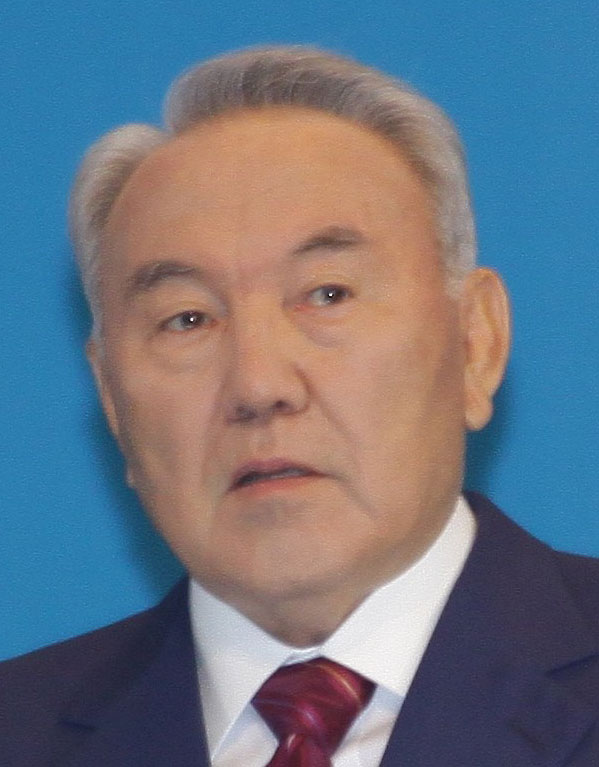
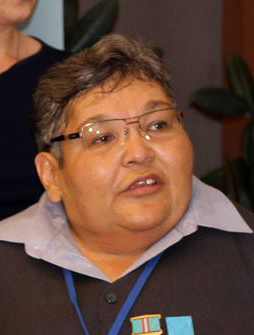
"Nuclear weapons are primarily a political weapon, not one currently used in the battlefield. As such, there is no single approach to eliminating the threat. Success in achieving nuclear abolition will require a combination of approaches, some emphasizing the inhumanity and illegality of nuclear weapons, others emphasizing the economic and political costs, and others emphasizing the possibilities to achieve security without relying on nuclear deterrence. …. Global Zero leaders include very influential legislators and former officials from the nuclear armed and allied States. They produce influential reports and hold effective consultations and meetings in the capitals of nuclear- armed states. President Nazarbayev: Karipbek Kuyukov: Full nomination here. Nazarbayev and Kuyukov also nominated by Bill Kidd, MP Scotland here. Nominated by Bill Kidd, MP Scotland:
"A joint nomination of Nursultan Nazarbayev (President of Kazakhstan) and Karipbek Kuyukov (Honorary Ambassador of the ATOM Project) for their dedicated and effective actions to highlight the catastrophic humanitarian consequences of nuclear weapons, as well as for their leadership in promoting a nuclear-weapons-free world. Nuclear weapons are recognized as the most extreme form of violence. They are the most destructive of all weapons in terms of their explosive force, the poisons they release (radiation), and the long-term and severe impact on human health and the environment, including their potential for catastrophic climatic consequences.» Full nomination text here. NOTE to the Nobel Committee: The nomination does not clarify, but seems to indicate, that the two nominees do not see the solution, as Nobel indicated in his will, in the global co-operation on «creating a brotherhood of (disarmed) nations» - but nuclear disarmament is the most immediate and mandatory urgency to secure a future for humankind. Nominated by Thore Vestby, MP Norway: Global Zero, International organization "“If nobody had them, nobody would need them”, is a saying that gains ground. It has now come to be a point that is has been expressed by President Xi in a ground-breaking speech to the Davos World Economic Forum, and by Presidents Putin and Trump who have raised the possibility of a Reykjavik Summit that would finally deliver on the promise of the 1986 Reykjavik Summit between Presidents Reagan and Gorbachev. In addition, the United Nations General Assembly has decided to convene negotiations in 2017 on a nuclear ban treaty, and to hold a High Level Conference on Nuclear Disarmament in 2018 to build political traction and global support for nuclear disarmament measures leading to a nuclear-weapon-free world. I believe that the 3 organisations nominated have been instrumental in these positive developments, and their continued work will be vital to the success of the bi-lateral, pluri- and multilateral initiatives mentioned above. " Read the full nomination here Nominated by Prof. of History, Director Nuclear Studies Institute, Peter Kuznick, American Uni, Washington DC, USA: Nihon Hidankyo, antinuclear organization
"Awarding Hidankyo the prize would be our way of recognizing their extraordinary contribution to world peace and of thanking them, in the name of all humanity, for their moral example. It would also help reinvigorate the fight for nuclear abolition at a time when the sense of urgency has largely disappeared even though, as the Bulletin of the Atomic Scientists had made clear, the risk of nuclear war is as great as ever. The doomsday clock now stands at two and a half minutes before midnight and the latest scientific evidence confirms our worst fear that the threat posed by nuclear winter is not only real, it is actually greater than experts understood when they released the initial studies in the 1980s. " Read the whole nomination for 2017 here Earlier nomination(s) here Nominated by rector Ole Petter Ottersen, University of Oslo, Norway: ICAN (International Campaign for the Abolition of Nuclear arms), international organization
The nomination (in Norwegian) describes ICAN´s important role in three international conferences on the humanitarian consequences of nuclear weapons, in Oslo, Nayarit (Mexico) and Vienna, and its uniting civil society organizations in other international conferences, a.o. NPT reviews in 2010 and 2015 and in the annual UNGA, 1st committee. ICAN has campaign staff in a number of countries and many volunteers and works closely with disarmament organizations, academic research, governments and over 450 partner organizations in 95 countries, and then concludes: «ICAN will be a worthy laureate in keeping with Alfred Nobel´s testament.» ("ICAN vil være en verdig prisvinner i tråd med Alfred Nobels testamente.») Read the full nomination (in Norwegian) here Read earlier nominations here. Nominated by Prof. of History Phillip C. Naylor, Marquette, Uni, Wisconsin, USA: Kathy Kelly, USA
"An ardent pacifist, she has reported brutality from numerous war zones, e.g., Gaza and Afghanistan, and protested the use of torture and drone warfare. Her peacemaking has led to jail sentences, but she remains steadfast in her engagement. I am particularly pleased that Marquette University has acquired the Voices in the Wilderness archive. Its documentation complements the Dorothy Day papers. In many ways, Kathy Kelly is a worthy successor to Dorothy Day—courageous, dedicated women committed to peace and humanity." Nominated by Jack Kultgen, Prof. em of Philosophy, Uni of Missouri, USA:
Krieger and NAPF, as consultant to the Marshall Islands, have supported the call lawsuits against the nuclear weapons states in the UN Court at the Hague. The foundation built a consortium of nearly one hundred organizations in the world that agreed to do likewise. "World peace still eludes us humans and nuclear weapons still threaten us. But at least we are conscious of the danger, and it is people like David Krieger that make us aware of it and, more importantly, teach us what needs to be done to escape it. He has dedicated his entire life to the cause and displayed the intelligence, moral character and practical sense to advance that cause in significant ways. His principal instrument, the Nuclear Age Peace Foundation, has proven to be a dynamic and effective organization.» Read the full nomination here. Read earlier nominations here. Nominated for 2017 by Associate Prof. of Philosophy Inga Bostad, Uni of Oslo: Evelin Lindner, Norway «… In a meaningful and substantial way she has helped promote and facilitate the peace through global collaboration that is the essence of the peace work that Nobel intended to support with the prize. Lindner's groundbreaking research on humiliation and its role in creating and maintaining conflict and as a barrier to international understanding is of utmost importance in a situation where countries need to meet in "peace congresses" to lay the foundation for "fraternity between nations," to highlight two of the most essential terms that Alfred Nobel used in his testament. …." Interview: www.aftenposten.no/amagasinet/Hvor-mange-av-verdens-konflikter-kan-forklares-med-ydmykelse-609193b.html. Read the full nomination here. Read the full nomination 2016 here - full presentation 2015 nomination here Nominated by Prof. of History Lawrence S. Wittner, State Uni of New York/at Albany, USA: Mayors for Peace, international organization
"one of the most imaginative and successful of the many organizations and movements that are in the forefront of the campaign for the global elimination of nuclear weapons: Mayors for Peace. It is clearly unrealistic to expect in the foreseeable future “the abolition or reduction of standing armies,” but the reduction and abolition of nuclear armaments is a feasible and, indeed, urgent task of the world community. It is also an obligation under Article 6 of the Nuclear Non-Proliferation Treaty. This was reiterated in the unanimous opinion of the International Court of Justice issued on July 8, 1996, which stated that “there exists an obligation to pursue in good faith and bring to a conclusion negotiations leading to nuclear disarmament.”" Read the full nomination here (a shorter version was posted in the new online nomination system) Read earlier nomination(s) here Nominated (2016) by Christian Juhl, MP, Denmark (also in 2015): Dr. Jan Oberg, Sweden
"In 2015, Mr. Oberg used the occasion of TFF's 30th Anniversary, to mobilize the foundation´s great network Read the full nomination for 2015 here, with additional points for 2016 here Renominated 2017, by Prof. em of Law, Uni of Oslo, Kristian Andenæs, here Nominated (2016) by Prof Aytuğ Atıcı, MP, Turkey and Prof. Kristian Andenæs, Uni of Oslo, and Dr. Marouf Bakhit, Jordanian Senate Parliamentarians for Nuclear Non-proliferation and Disarmament (PNND)
Efforts by Parliamentarians, across all divisions of nationality, religion, political and economic systems - the true Nobel spirit In 2013, PNND working with Global Zero, moved nearly 2/3rds of the members of the European Parliament to endorse (personally sign) a Written Declaration in Support of the Global Zero Plan for Nuclear Disarmament – making this European Parliament policy." Tthe nomination letter names outstanding achievements by individual PNND members, Federica Mogherini, Ed Markey, Jeremy Corbyn, Uta Zapf, Mani Shankar Aiyar, Atimova, Tony de Brum [nominated in person by IPB for 2016], Ui Hwa Chung, Taro Okada, Sabe Chowdury, Bill Kidd, Christine Muttonen. The PNND Global Coordinator, Alyn Ware, was nominated for the 2015 Nobel Read the full nomination here Jordanian Senate, Dr Marouf Bakhit: "A Nobel Peace Prize would highlight the importance of this parliamentary work, recognize the incredible leadership of PNND and assist in building political support for the initiatives in which PNND is active. Therefore, *the Jordanian Senate House strongly nominates PNND for the Nobel Peace Prize." Read the whole nomination here Renominated 2017, by Prof. em of Law, Uni of Oslo, Kristian Andenæs, here Nominated by Prof Stellan Vinthagen, Uni of Massachusetts, Amherst
"I would like to nominate the organization September 11th Families for Peaceful Tomorrows, which since 2002 has done a tremendously hopeful work in bringing together victims of non-state terrorism and state terrorism across enemy lines and during ongoing wars, in the US, Afghanistan and Iraq. Instrumental individuals in the creation of the organization has been Kathy Kelly of Voices in the Wilderness (now Voices for Creative Nonviolence), who herself repeatedly has brought medicine into Iraqi people despite the sanctions during the 1990s, and Medea Benjamin of the feminist peace organization Code Pink. …. September 11th Families for Peaceful Tomorrows has been nominated both 2003 and 2004 but now, in the period of the failed War on Terror it should be obvious to people how the reconciliation work of this organization is the way forward, not the kind of escalations, warmaking and illegal drone attacks that the US, France, UK and others have emphasized. Their website: http://peacefultomorrows.org" NOTE, NPPW to the Nobel Committee: The nomination mentions the organization, but also clearly points to two central persons. Since Alfred Nobel primarily saw his prizes as meant for individuals, it would be right (in the committee´s first meeting) to consider this as a nomination of all three. Read the full nomination (2016) here. Kathy Kelly and Medea Benjamin have been renominated for 2017. Nominated by Members of Parliament, Sweden: Jens Holm, Annika Lillemets, Wiwi-Anne Johansson, Carl Schlyter, Lotta Johnsson Fornarve, Amineh Kakabaveh, Valter Mutt, Daniel Sestrajcic, Annika Hirvonen Falk, Hans Linde Edward Snowden, USA (in exile)
Alfred Nobel intended that the Peace Prize would promote disarmament. Today, militaries around the world place ever greater emphasis on engagement in cyberspace, with its almost unlimited possibilities for spying, disruption, and destruction. No one has sounded the alarm more eloquently than Edward Snowden as regards military encroachment upon the world's systems of electronic communication, and how such encroachment violates rights of privacy and threatens the continued existence of democracy. Edward Snowden became one of history's great whistleblowers when he revealed to leading journalists that the United States conducts all-encompassing mass surveillance around the world. In a conscientious and responsible manner, he exposed a system in which the phone, internet and other communications of individuals and whole nations are intercepted and permanently stored. Snowden insisted that it must be up to an informed global citizenry to decide whether they wish to live in a world in which they are constantly monitored by the United States military. With courage and careful judgment, he initiated a global debate about surveillance systems that operate beyond democratic control and the rule of law. Many states are now trying to build up similar capacities as the US. Snowden´s work has permitted an open and democratic debate, globally, about the risks of cyberwarfare and global surveillance.
Snowden's contribution is of particular importance today, when the American military's capacities for interception and disruption in cyberspace are under the authority of a new commander-in-chief. President Donald J. Trump has expressed little intention to respect legal or ethical limits on the use of his power. It is therefore a particularly suitable moment to award the Nobel Prize for Peace to Edward Snowden. Nominated (2016) by Prof. Jeff Bachman, American Uni, Washington, USA David Swanson, USA
"In 2015, World Beyond War grew dramatically under Swanson's direction to include people in 129 nations. World Beyond War produced a book authored by Swanson titled A Global Security System: An Alternative to War that has had an impact on discussions of U.S. foreign policy. Swanson has been a consistent and determined advocate for change in U.S. In 2015, Swanson published numerous articles and gave many speeches advocating peace and the abolition of war. His articles are collected at DavidSwanson.org. He was an advocate of the nuclear agreement with Iran. Swanson visited Cuba in 2015, met with the staff of the not-yet U.S. embassy, and advocated for better and more just relations, including an end to the embargo and the return to Cuba of its land in Guantanamo. Also in 2015, Swanson has been active in the community of activists who oppose the entire institution of war, as well as in the general public through writing and speaking for reducing militarism and rethinking the idea that war is inevitable. It is also important to note Swanson's role with RootsAction.org. In 2015, Swanson worked as campaign coordinator for the online activist site. Through a combination of online and "real world" activism, RootsAction.org has successfully brought pressure to achieve numerous steps toward peace, while building an online activist membership of 650,000 people for future action. In December 2015, a RootsAction.org and World Beyond War petition urged the Congressional Research Service to resume reporting on international weapons sales after a three year hiatus. Within weeks, the CRS released a new report. … In January 2015, after a RootsAction.org petition pushed the United States to negotiate with North Korea rather than rejecting its offer to halt nuclear tests, the U.S. did begin negotiating -- with outcome yet to be determined. " See the full 2016 nomination here Renominated for 2017 by Prof. Phillip Naylor, Marquette Uni, Milwaukee, USA Nobel laureate Desmond Tutu has given warm recognition for David Swanson´s World Beyond War, see this video Nominated by Prof Alf Petter Høgberg, Uni of Oslo (also in 2015, with co-nominators Nils Christie and Ståle Eskeland):
«I resubmit the nomination for 2015, ... In addition I would like to mention that in 2015, ”the last expired year,” IALANA, Peter Weiss, and the German section have continued to clarify the illegality of nuclear weapons law cooperating with and backing the case Marshall Islands is conducting at the UN Court, ICJ, on the obligations of nuclear-armed nations to engage in efficient procedures to abolish nuclear weapons. IALANA makes valiant efforts to develop international law through a treaty banning nuclear weapons adopted in international diplomacy. The German IALANA branch is particularly active in a “Peace trough Law” project seeking to strengthen international law and make it a well known and operative feature of national and international relations. This work is at the core of Nobel´s idea of a “prize for the champions of peace.” The resort to court instead of arms was a key component of the peace thinking of Bertha von Suttner (arbitration and Schiedsgerichte) and the work of the “champions of peace” that Alfred Nobel wished to support by his prize. … To develop a world governed by law, not power, was a central concern of Nobel using the term «brotherhood of nations» in his will and is central to the activities of the IALANA community. See the full 2016 nomination here , the 2015 nomination here. Renominated 2017, by Prof Alf Petter Høgberg, Uni of Oslo here. The Nobel Peace Prize Watch While others, the committee, parliamentarians, peace researchers, even peace people base The best, most direct, access to Nobel´s own understanding of the “champions of peace” he Thus the purpose of Nobel - to liberate all nations from weapons, warriors and wars – has Candidates that work for global co-operation on international law and disarmament directly At the time of Nobel many statesmen listened to the voices for peace and disarmament, "I like to believe that people, in the long run, are going to do more to promote peace Alfred Nobel would have liked to see his committee think along the same lines. Nobel Peace Prize Watch, Feb 2, 2016 |
| NPPW: 2020 List of Valid Nobel Peace Prize Nominations
Letter submitted to the committee here A. NEW nominations,
TOTAL: 36 nominations Nobel Peace Prize Watch, NPPW, sees openness and transparency as essential to protect against corruption and malpractice. The Norwegian Nobel Committee hides behind strict secrecy. An open selection process, with free and open discussion, in line with modern and democratic ideas, is indispensable to keep the awarders to Nobel´s actual intention. This is why NPPW decided to give encouragement and advice to qualified candidates and publish all known nominations, provided they:
GUIDELINES While others, the committee, parliamentarians, peace researchers, even peace people base The best, most direct, access to Nobel´s own understanding of the “champions of peace” he Thus the purpose of Nobel - to liberate all nations from weapons, warriors and wars – has Candidates that work for global co-operation on international law and disarmament directly At the time of Nobel many statesmen listened to the voices for peace and disarmament, "I like to believe that people, in the long run, are going to do more to promote peace Alfred Nobel would have liked to see his committee think along the same lines. Nobel Peace Prize Watch, Feb 2, 2016
|
The NPPW screening of Valid* Nobel Peace Prize Nominations for 2021 * The awarders, the Norwegian Nobel Committee, have received close to 400 nominations for 2021. To pick the best one to promote Alfred Nobel´s intention is a demanding task. The first and most important - that would make the decision much easier - is to interpret the will: What did Nobel intend the “prize for the champions of peace” he described in his testament in 1895 to achieve? We in Nobel Peace Prize Watch (NPPW), a civil society network, believe the number of nominations deserving to be considered (coming within the purpose of Alfred Nobel´s testament in 1895) is unlikely to be more than 80-90. Below we have listed and published the 54 potential recipients known to the us (nominations submitted to the committee in time, by one entitled to nominate and relevant to Nobel´s purpose). Many of them are a result of the NPPW effort to promote Nobel´s visionary idea and candidates conforming to his purpose. NB: HELP us update our list. Please send us other nominations for 2021 that fully comply with Nobel´s purpose. We also welcome and will forward to the Nobel committee, information on candidates in our list that have the end of war and armaments as the goal they work towards. The address for this list is: http://www.nobelwill.org/index.html?tab=11 A. NEW nominations,
Total new nominations: 32.
Totall repeated nominations.:22. Total nominations: 54. Nobel Peace Prize Watch, NPPW, sees openness and transparency as essential to protect against corruption and malpractice. The Norwegian Nobel Committee hides behind strict secrecy. An open selection process, with free and open discussion, in line with modern and democratic ideas, is indispensable to keep the awarders to Nobel´s actual intention. This is why NPPW decided to give encouragement and advice to qualified candidates and publish all known nominations, provided they:
GUIDELINES While others, the committee, parliamentarians, peace researchers, even peace people base The best, most direct, access to Nobel´s own understanding of the “champions of peace” he Thus the purpose of Nobel - to liberate all nations from weapons, warriors and wars – has Candidates that work for global co-operation on international law and disarmament directly At the time of Nobel many statesmen listened to the voices for peace and disarmament, "I like to believe that people, in the long run, are going to do more to promote peace Alfred Nobel would have liked to see his committee think along the same lines. Nobel Peace Prize Watch, Feb 2, 2016
|
| The Nobel Peace Prize Watch Appeal: "An Imperative Condition For The Security And Prosperity Of Humanity" As armaments increase and threats and use of military force again permeate international politics, the Nobel Peace Prize Watch (see nobelwill.org) calls the attention of the world to Alfred Nobel and the original idea of his peace prize. Nobel wished to honor and encourage “the champions of peace” working for a grand co-operation to liberate all nations from weapons, warriors and wars. Using the term «creating the fraternity of nations» in his will, Nobel referred to a common idea at the time and envisaged nothing less than changing the course of history through a new global system for disarmament, peace and justice. As far as we know, the Norwegian awarders, i.e. Parliament and the Nobel committee, have for over 7 years (as of March 2015) made no attempt to contest or refute the above conclusions as to the purpose of Nobel´s prize. To reverse and undo militarism is an imperative condition for the security and prosperity of humanity. The Nobel Peace Prize Watch has made a list of valid candidates for 2016. I/We point to this list and demand that the Norwegian awarders respect and promote Nobel´s visionary peace idea, and not a less ambitious purpose. Signed by:
|
| Sign up here to receive our newsletter |
| Support
The Nobel Peace Prize Watch welcomes your active participation, or moral, practical and financial support. Nobel needs a voice
The forces for militarism and war are very strong and backed by massive propaganda. Tradition talks, money talks, politicians talk, refusing to see that safety by military means is an illusion. The costs are excessive, the risks enormous. All that money only makes our lives extremely unsafe. If we are realistic we see that there is no alternative. Liberating our world from weapons, warriors and war (Nobel Peace Prize Watch slogan) is of imperative urgency. We have to be realistic. Let a new peace order replace our world of military disorder. Let us give Nobel a voice. Nobel needs your voice Most mainstream politicians, media, academics are skeptic to our effort. Please, you can help everyone see that we, the citizens of the world, need a swift, sweeping, total turn-about. Your activities are vital to the effort to help Nobel liberate the world from the dangers of rampant militarism. Keep informed of potential plans, actions and possible progress, check our website, subscribe to newsletter, spread the word by mouth-to-mouth, by the social media, speak in classrooms, meetings and over lunch. Money will help Nobel be heard
Nations should be able to serve their citizens instead of squandering their budgets on a flawed concept of security by military means. A commitment to co-operative security would confer astronomic benefit on the planet, its citizens, all of us. The “peace dividend” will be enormous, with real security in the bargain. Cast your vote for a sane world. Help the Nobel Peace Prize Watch change the Nobel Peace Prize, from the establishment side to serving the Nobel dissidents fighting for the alternative, demilitarized world that Nobel wished to support. Every donation, small or big is welcome. Choose payment option: Pay by Card: to our Paypal account.
Bank transfer to our Swedish account: SWIFT/BIC: HANDSESS, IBAN: SE0760 000 000 000 864 653 468. (ten zeros in the middle, followed by our account number). Within Sweden you can use bankgiro 593-3395 – all payments goes to Lay Down Your Arms organization.
|
|||||||
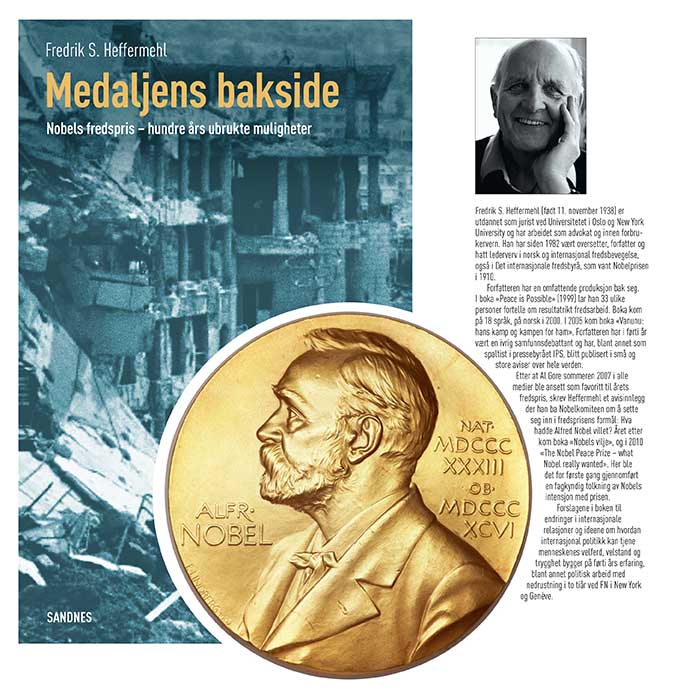 NY BOK: Hvordan kan vi fri oss fra livstruende militær «sikkerhetspolitikk»?
 IN ENGLISH
  IN NORWEGIAN